Project Information
- Location: Afadzato South District, Volta Region, Ghana
- Duration: 12 months (January 2025 – December 2025)
- Focus Area: Environmental Restoration, Climate Resilience, Sustainable Agriculture
- Funding/Implementation Partners: Local NGO consortium, District Assembly, Forestry Commission (Ghana), Community Land User Associations
Project Overview
The Afadzato South landscape has experienced increasing land degradation due to bushfires, unsustainable farming practices, and deforestation for fuelwood. This has resulted in reduced soil fertility, declining crop yields, and increased vulnerability to climate variability among farming households.
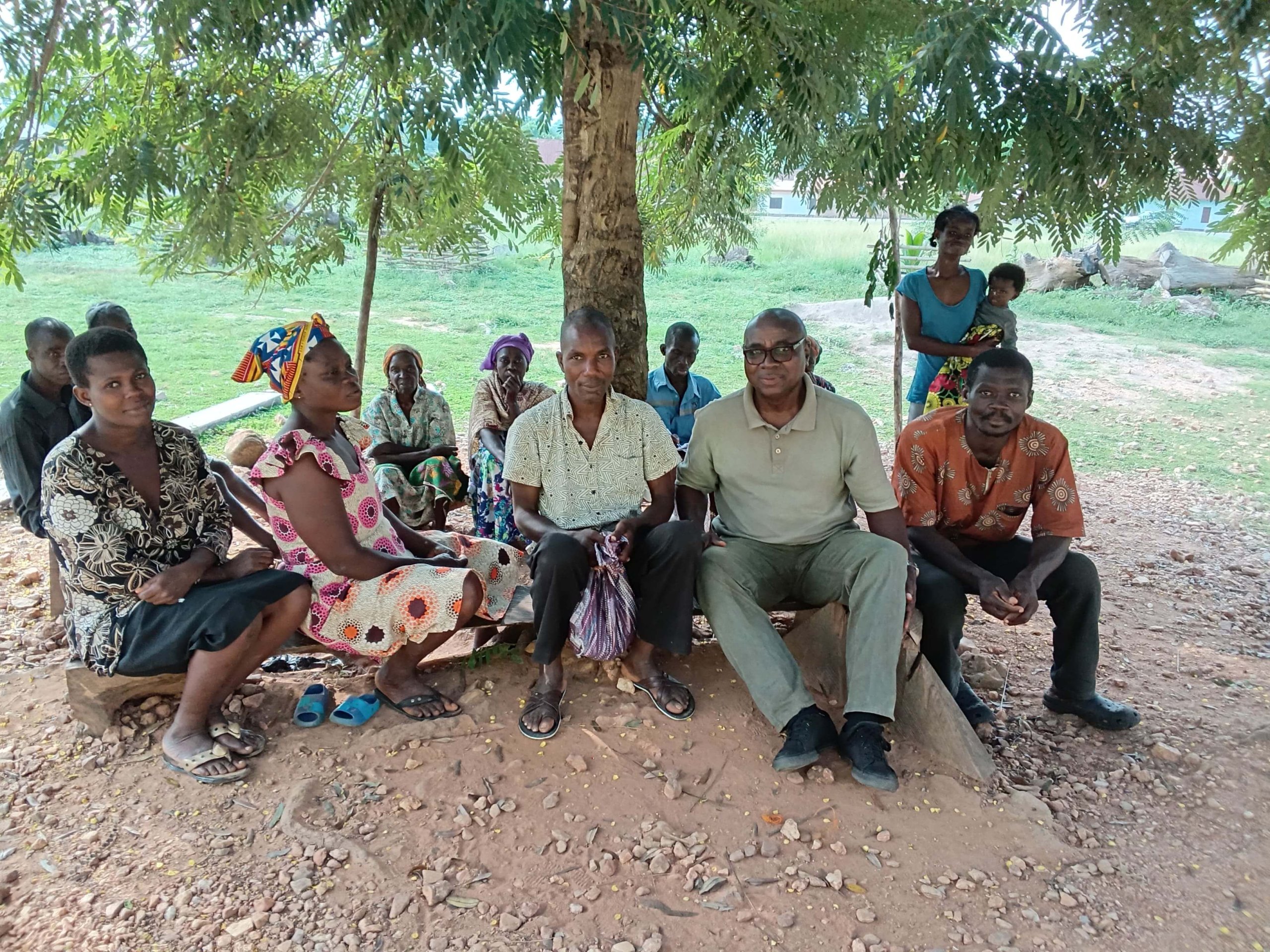
The project was designed to restore degraded farmlands while improving livelihoods through climate-smart agroforestry practices. It targeted smallholder farmers, women’s groups, and youth in rural communities who depend heavily on rain-fed agriculture.
The approach combined environmental restoration with economic empowerment by integrating tree planting, sustainable farming techniques, and community capacity building. Local stakeholders were actively involved in planning, implementation, and monitoring to ensure ownership and long-term sustainability.
Project Objectives
- Restore degraded farmlands through agroforestry and tree planting initiatives
- Improve farmers’ knowledge and adoption of climate-smart agricultural practices
- Strengthen community resilience to climate change impacts
- Promote sustainable land use and reduce bushfire incidence
Key Activities Implemented
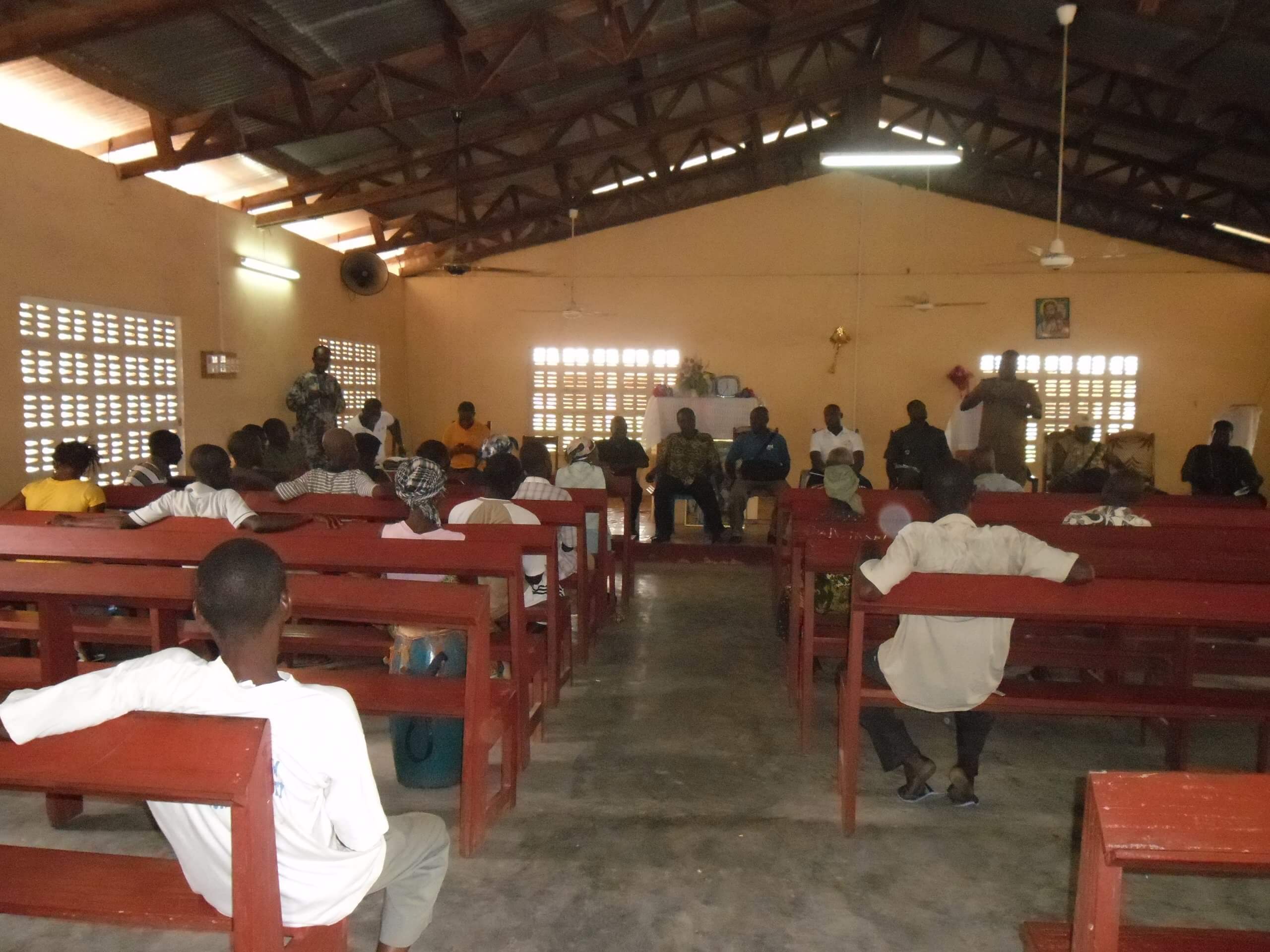
- Community sensitization meetings on land degradation and climate change
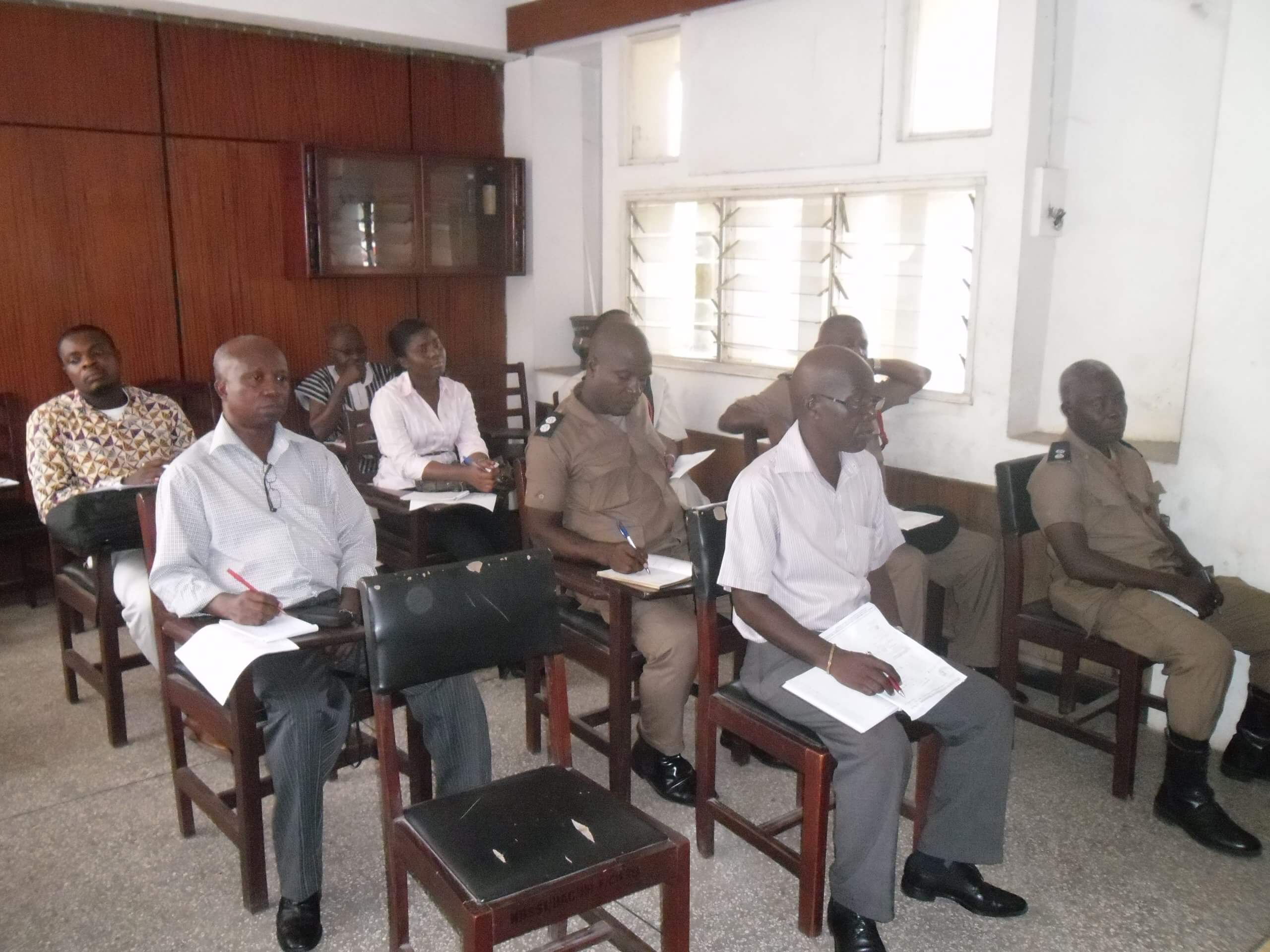
- Training workshops on agroforestry, composting, and soil conservation techniques
- Establishment of community tree nurseries and distribution of seedlings
- Field demonstration plots for climate-smart farming practices
- Stakeholder engagement with traditional leaders and district authorities
- Annual tree planting and land restoration campaigns
Impact & Results
- Over 25 hectares of degraded land restored through mixed agroforestry systems
- More than 600 farmers trained in climate-smart agriculture practices
- 15,000+ tree seedlings planted with an average survival rate of 78%
- Increased household awareness of sustainable land management practices (reported by 85% of participants)
- Reduction in bushfire incidents in target communities during the project period
- Improved soil moisture retention and early signs of increased crop yields in demonstration farms
Project Gallery